The story behind an early role-playing game
High FantasyThe 1978 Role-Playing Game
From 100 hand-printed copies to a nationally published role-playing game.
What began as homemade rules for friends grew into a series of books and adventures—and led to pioneering experiments in interactive storytelling.
Explore the History ↓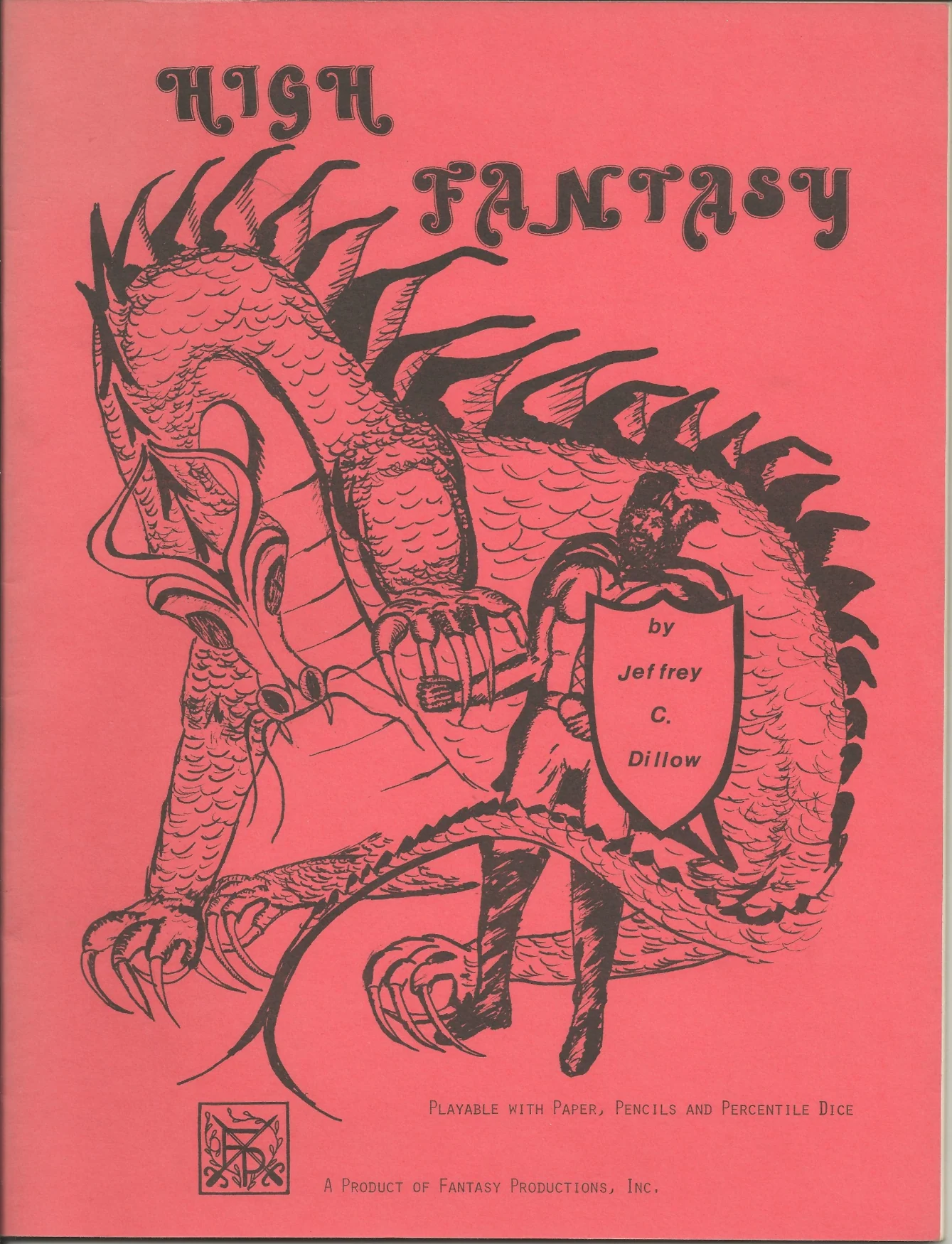
The Original Publications
Twelve rulebooks, adventures and accessories published between 1978 and 1982, first by Fantasy Productions and then by Reston Publishing. All are long out of print. The story of how each came to be follows below.
High Fantasy
1978 · Fantasy Productions
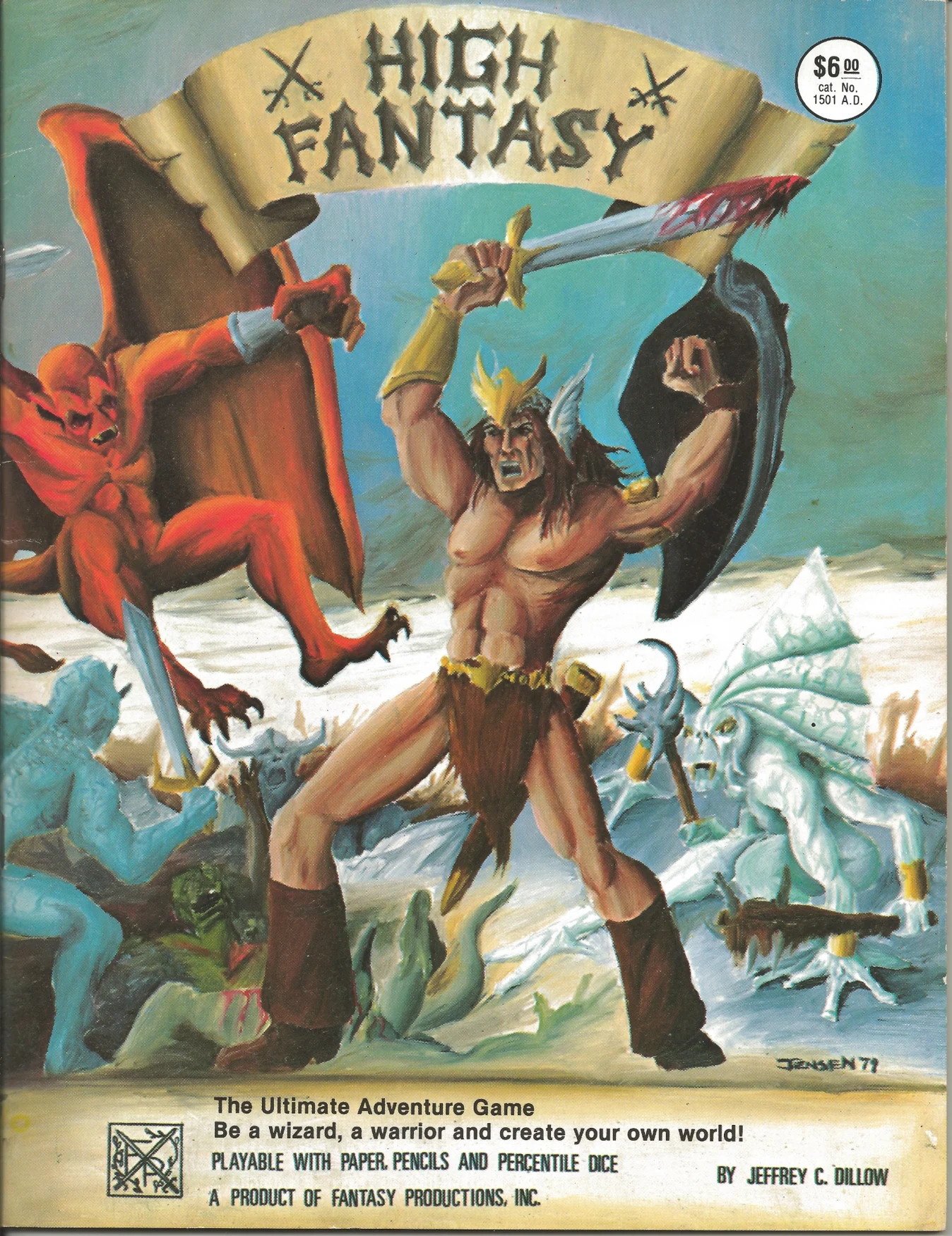
High Fantasy
1979-era printing · Bruce Jensen
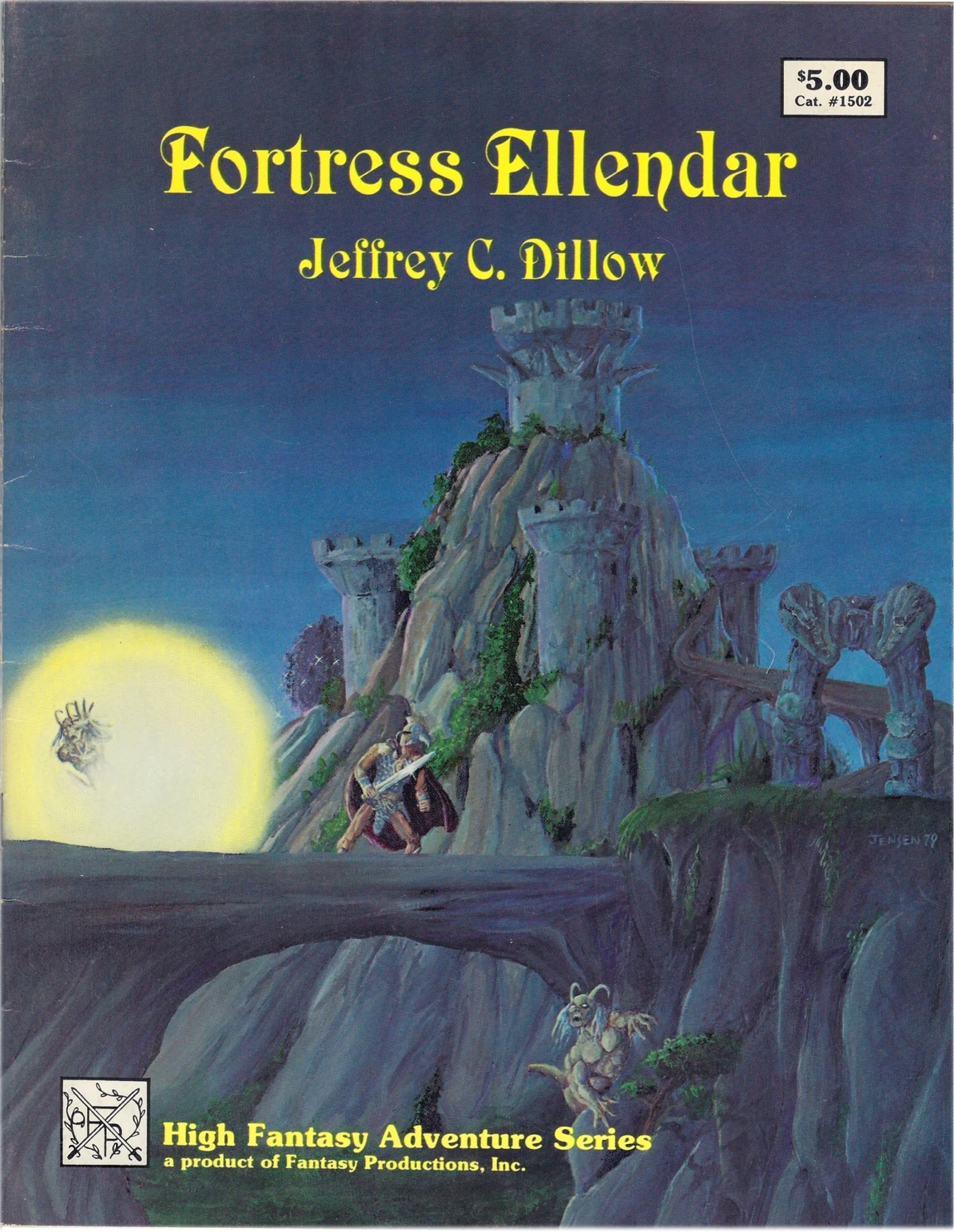
Fortress Ellendar
1979 · First adventure
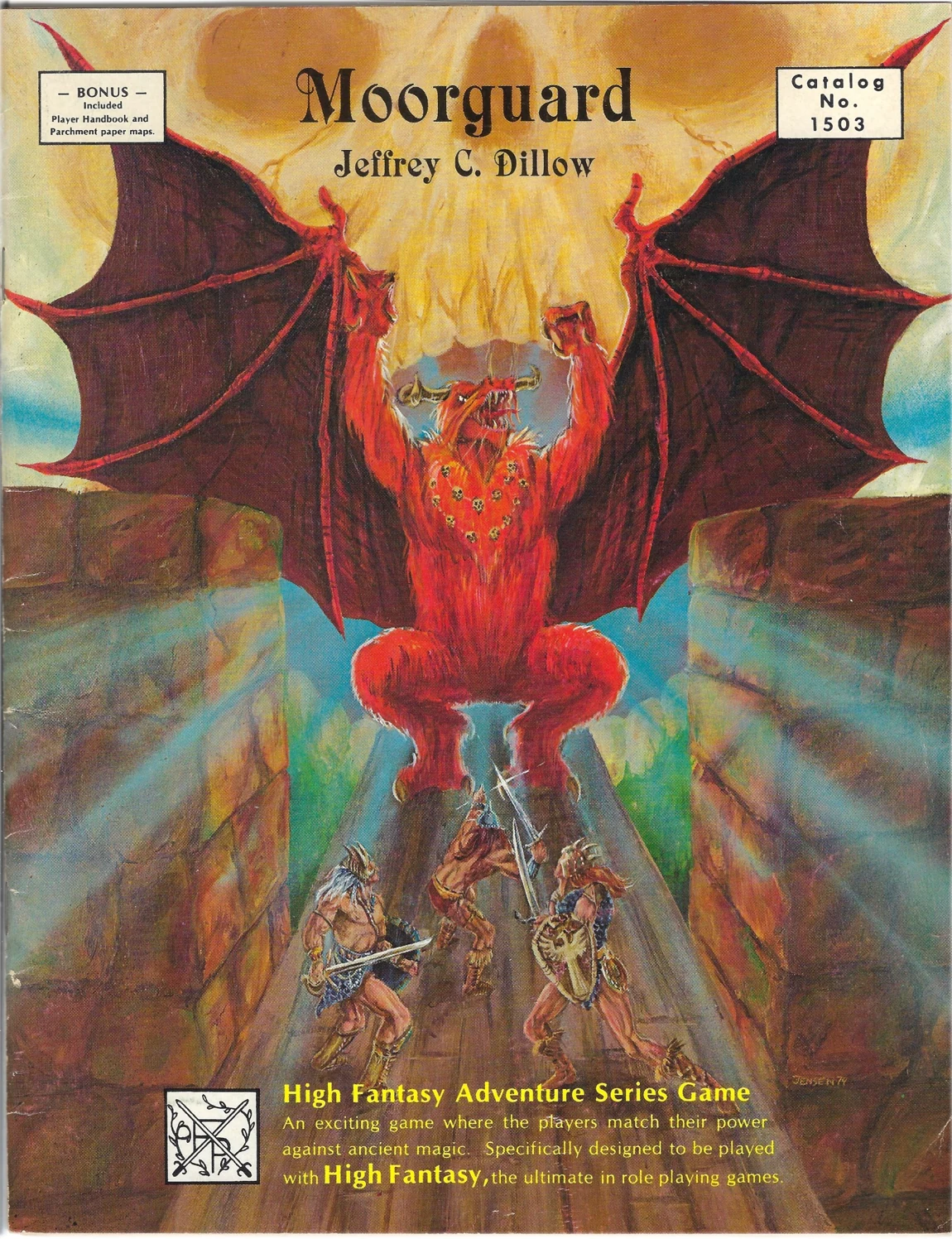
Moorguard
1980 · Bruce Jensen
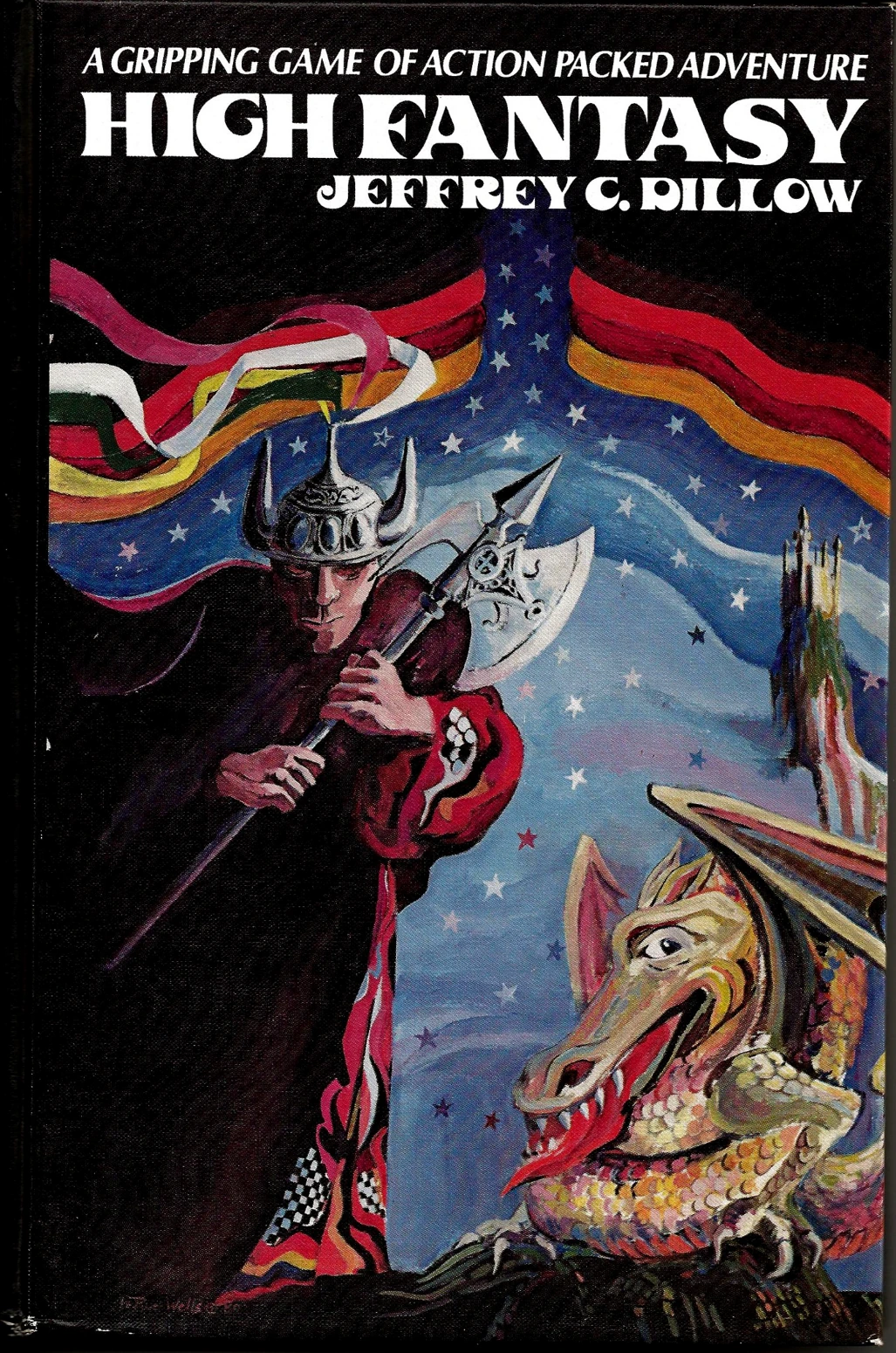
High Fantasy
1981 · Reston Publishing
Hardcover ISBN 0-8359-2827-6
Paperback ISBN 0-8359-2826-8
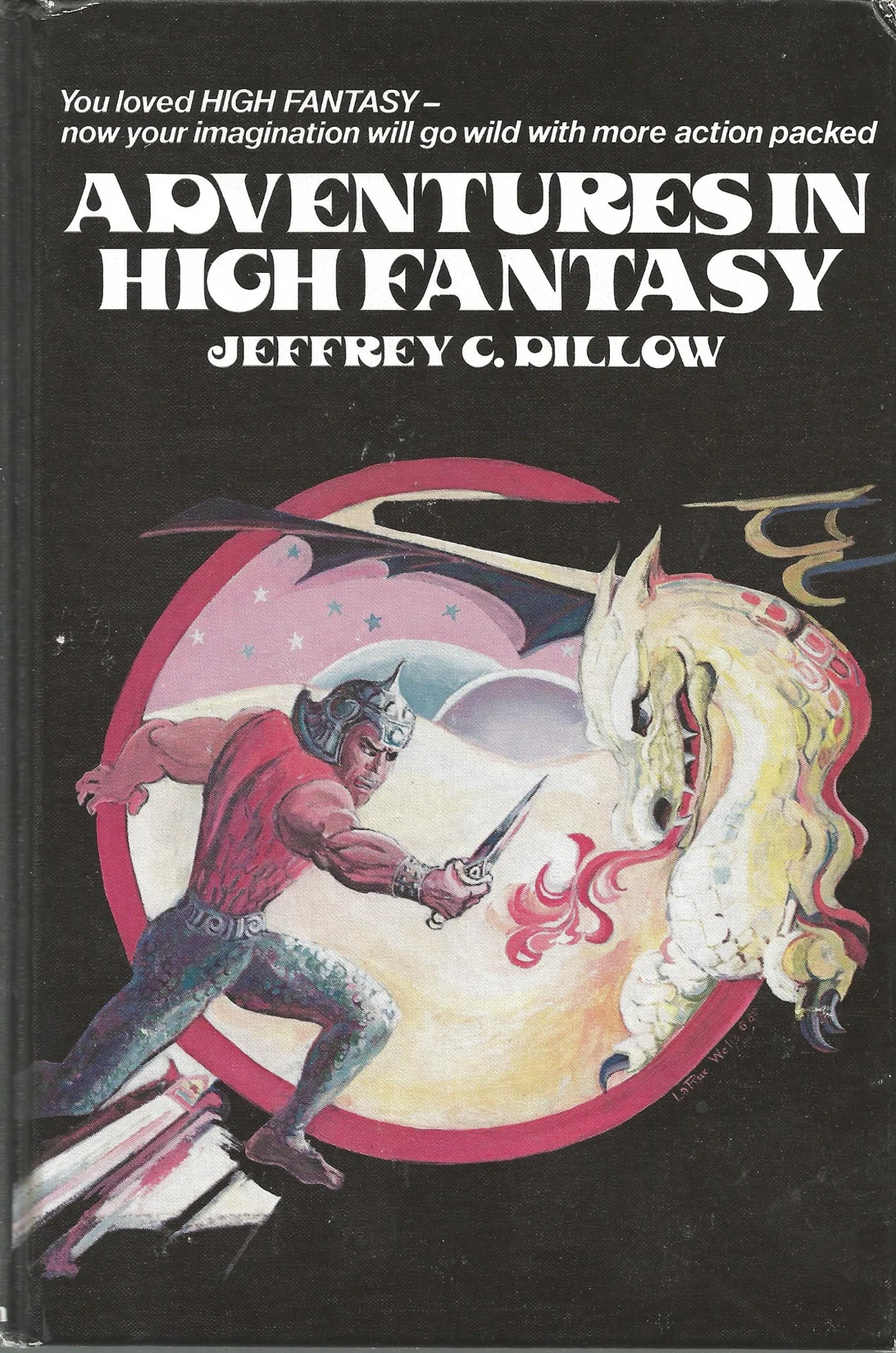
Adventures in High Fantasy
1981 · Reston Publishing
Hardcover ISBN 0-8359-0165-3
Paperback ISBN 0-8359-0164-5
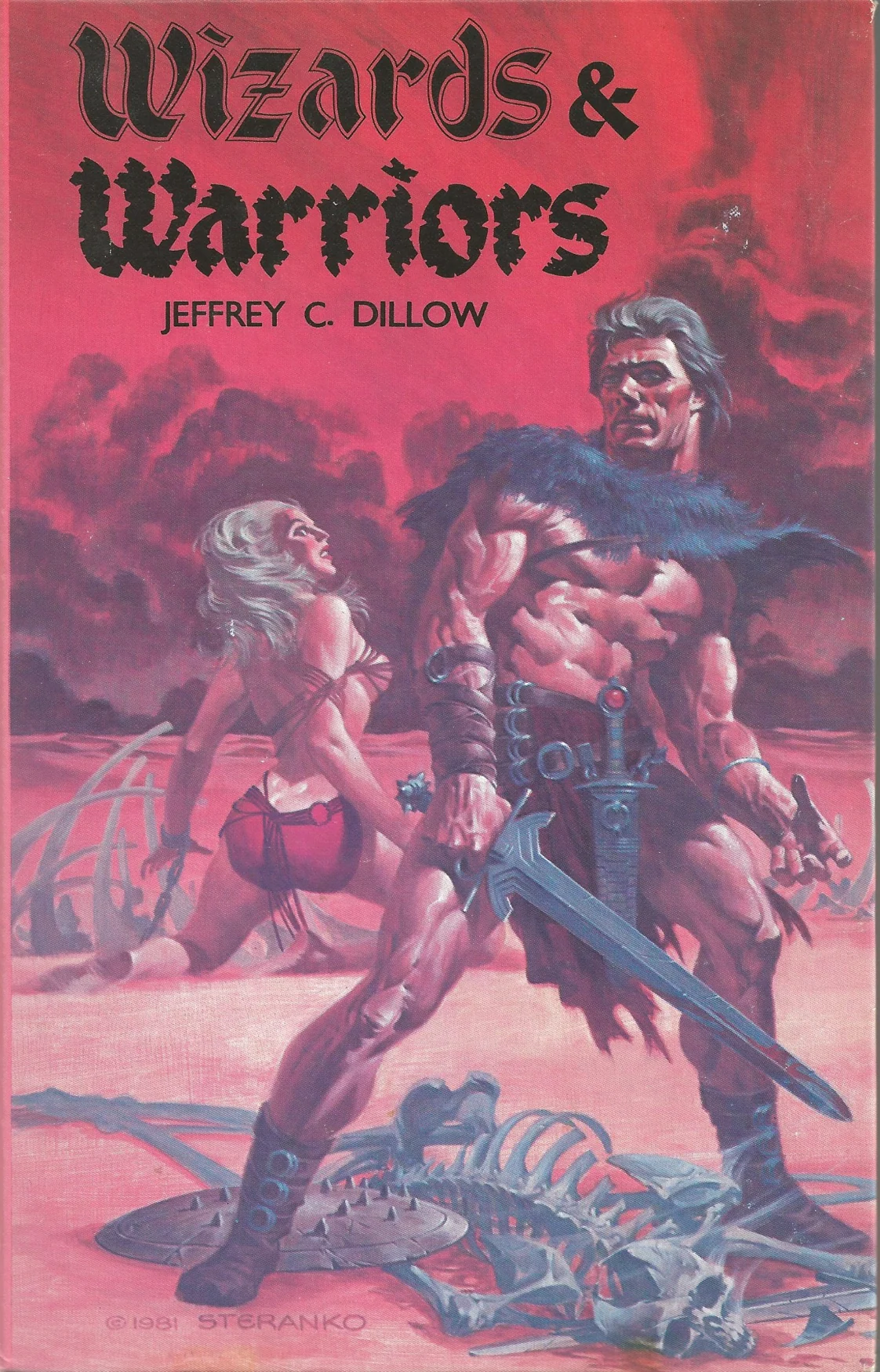
Wizards & Warriors
1982 · Jim Steranko cover
Hardcover only · ISBN 0-8359-8737-X
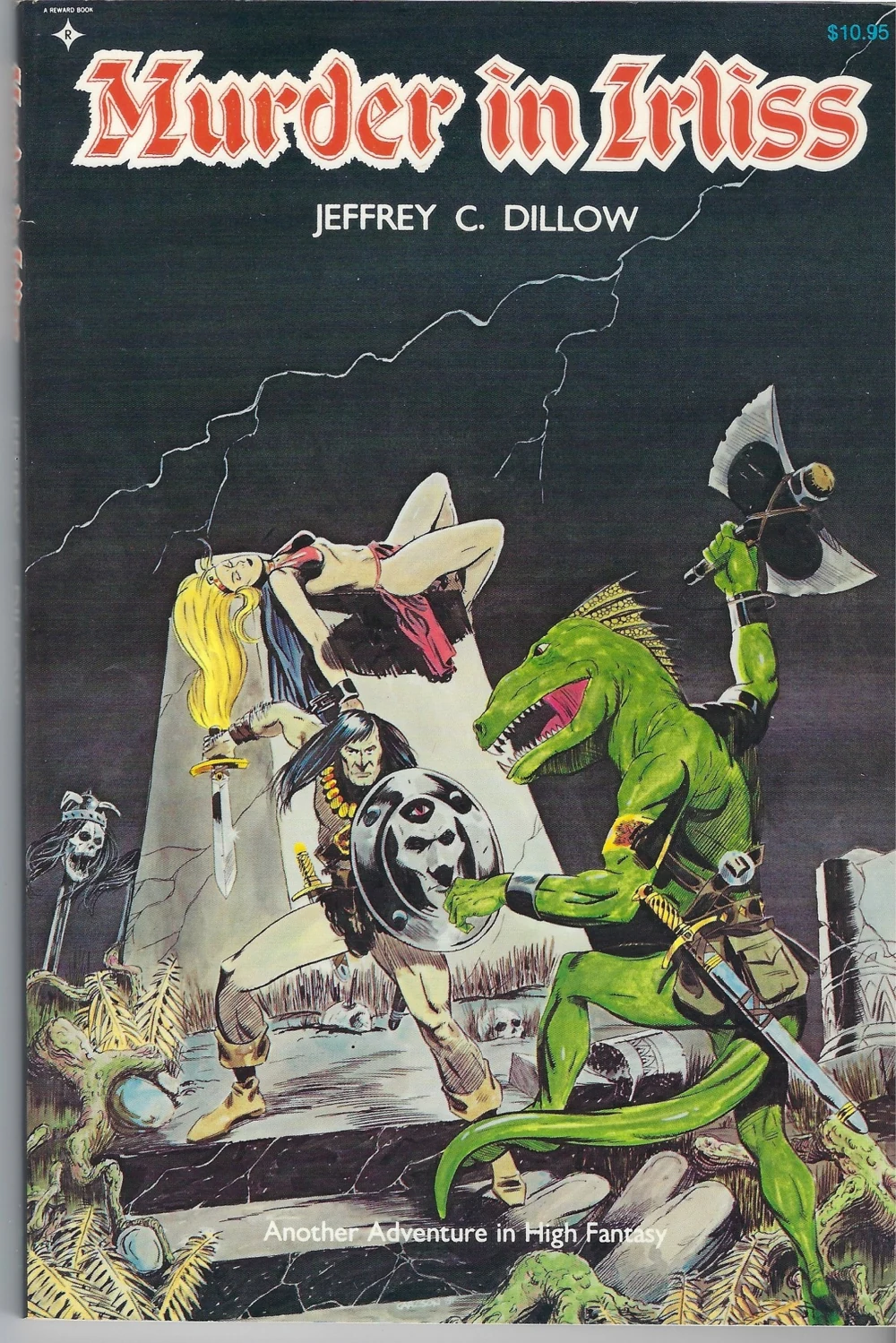
Murder in Irliss
1982 · Jeffrey C. Dillow
ISBN 0-8359-4747-5
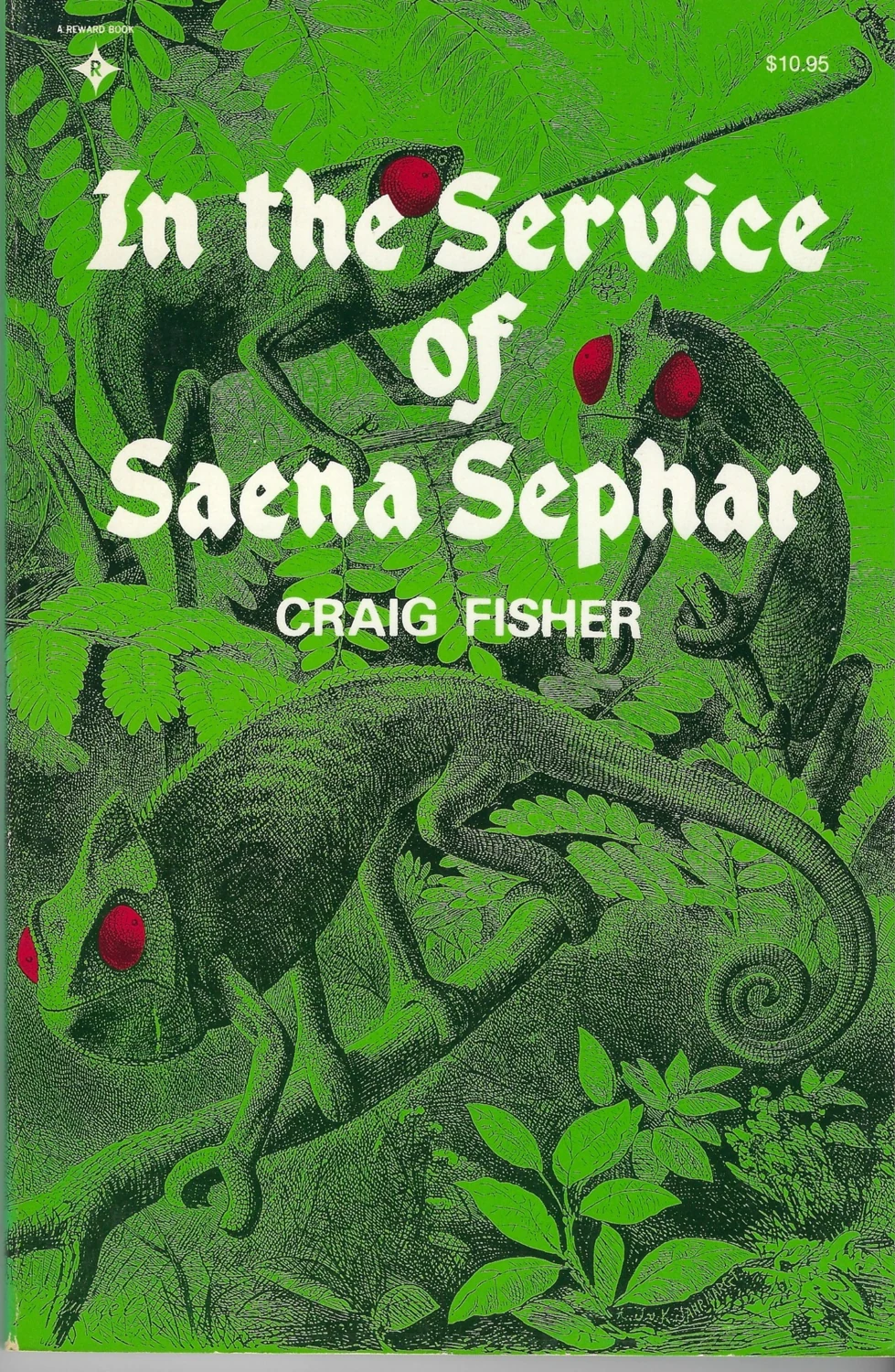
In the Service of Saena Sephar
1982 · Craig Fisher
ISBN 0-8359-3052-1
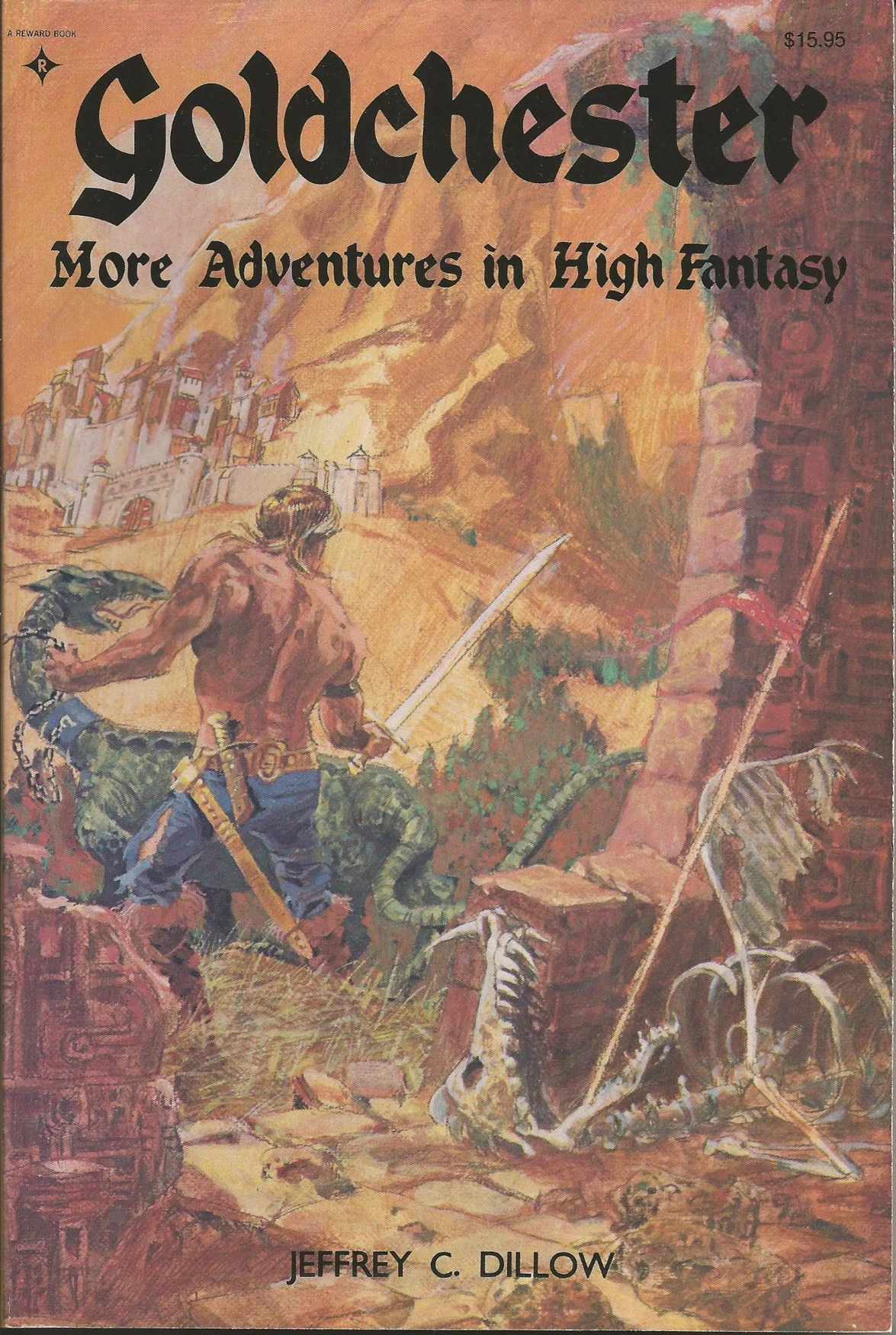
Goldchester
1982 · Reston Publishing
Paperback only · ISBN 0-8359-2567-6
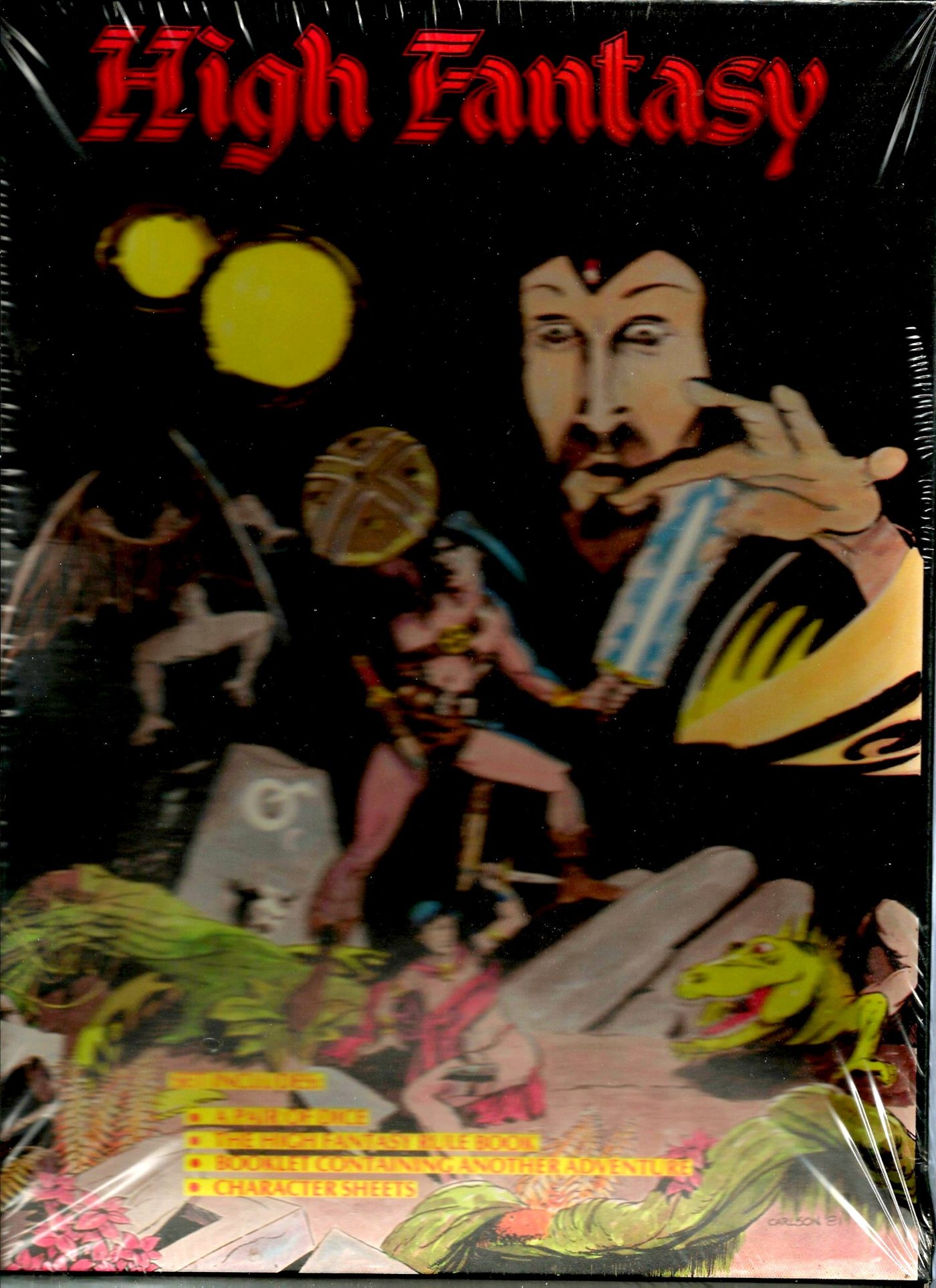
Boxed Set
1981 · Reston Publishing
Carlson cover · no ISBN
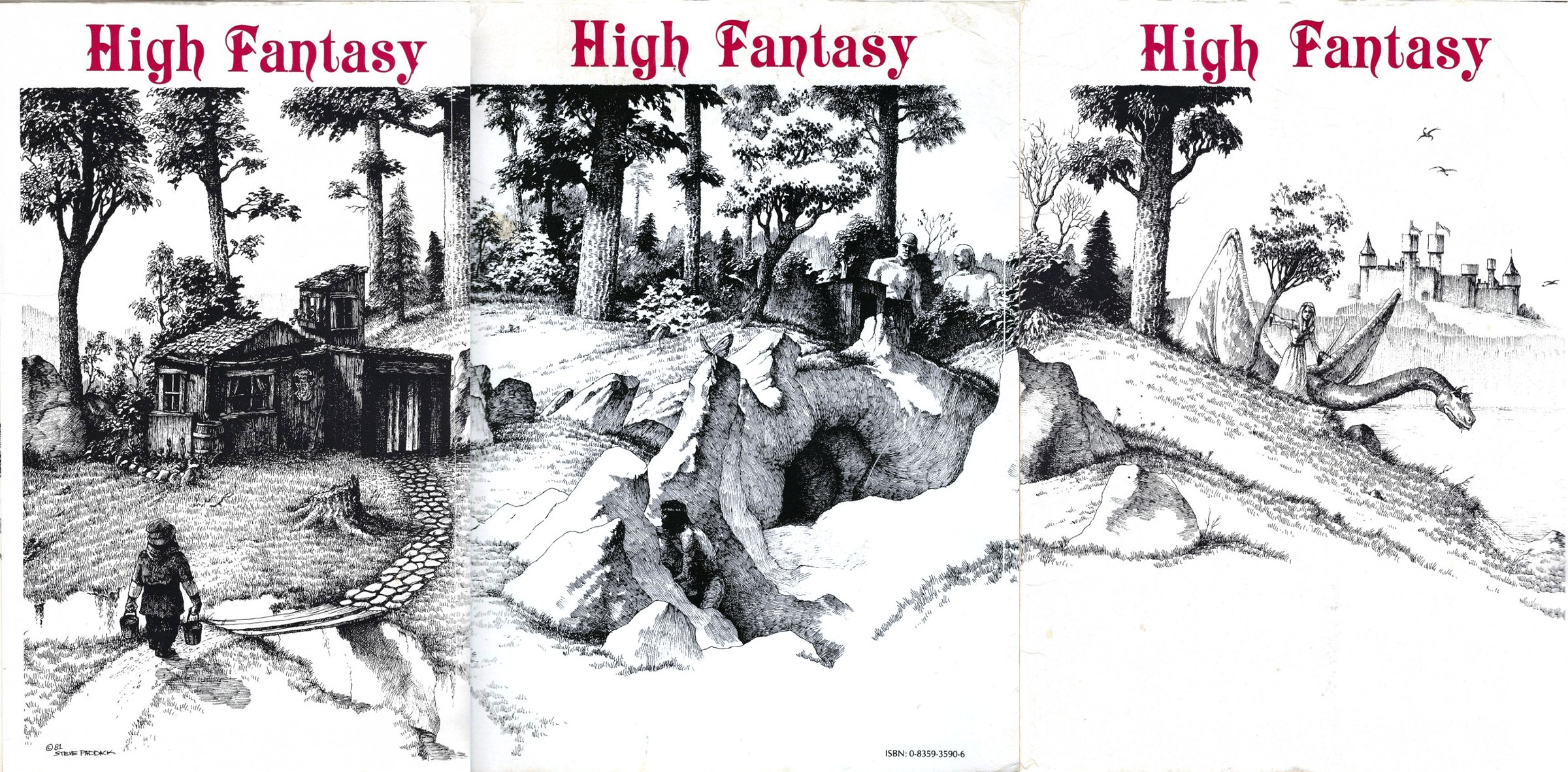
Judges Screen
1981 · Steve Paddack art
ISBN 0-8359-3590-6
Rules Written for Friends
At Indiana University, Jeffrey C. Dillow discovered the early edition of Dungeons & Dragons. He loved its possibilities, but wanted a different balance between characters—and a closer connection between weapons and their historical counterparts.
He began writing his own system in his sophomore year and played it with friends in university gaming clubs. It took about four years to develop, test and commit to paper. Publishing a game was never the plan.
One Hundred Orange Copies
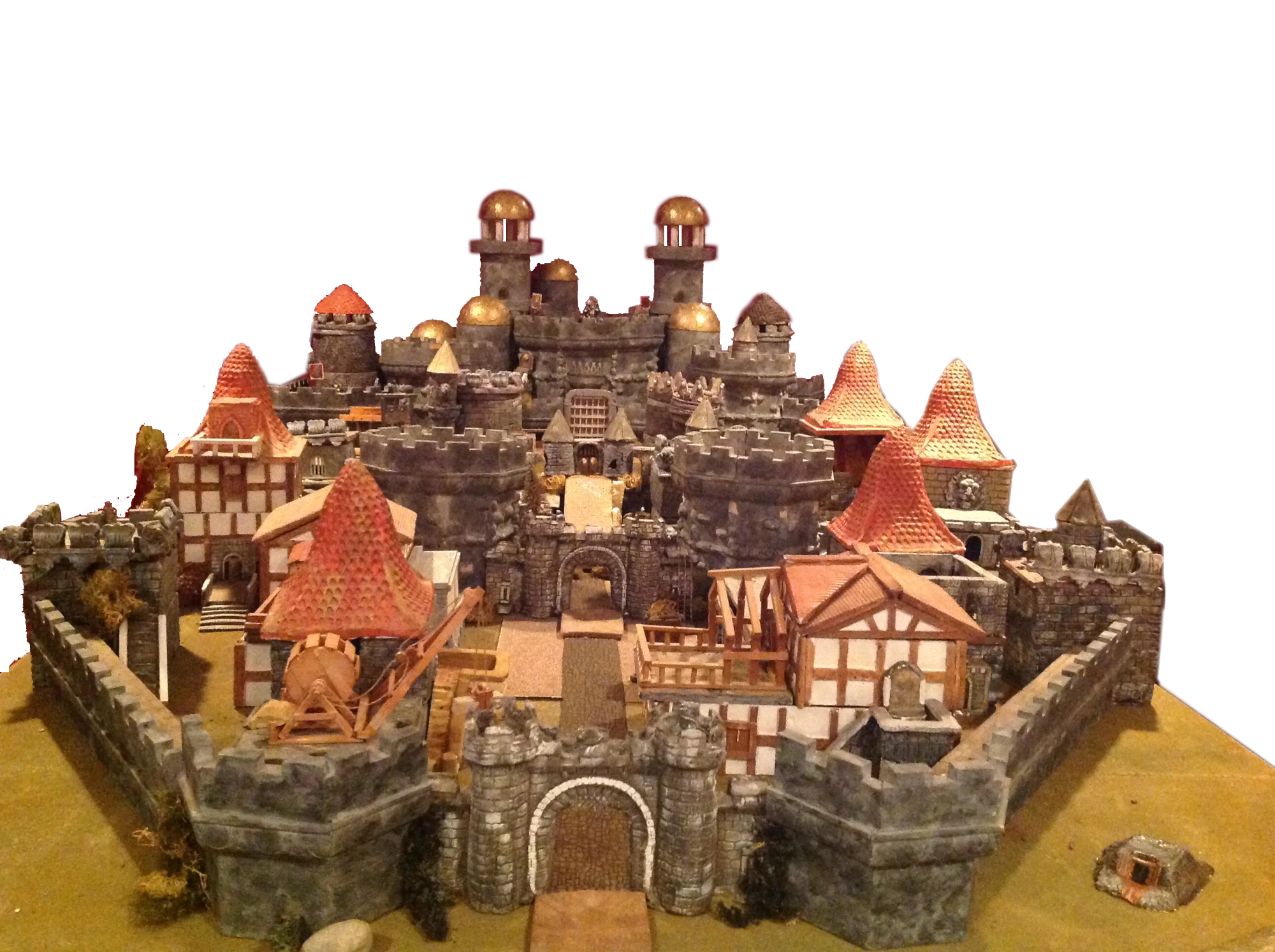
After the loss of two close friends who had played the game, Jeff and Joyce printed 100 copies at a local copy shop in 1978. They brought them to gaming conventions alongside handmade castles and demonstrations. Interest soon outgrew the small print run.
From Local Conventions to Hobby Stores
Indianapolis distributor Twinn K, known for its slot-car business, took an interest in High Fantasy. With national hobby-store distribution, the game's presentation changed almost as quickly as its audience expanded.
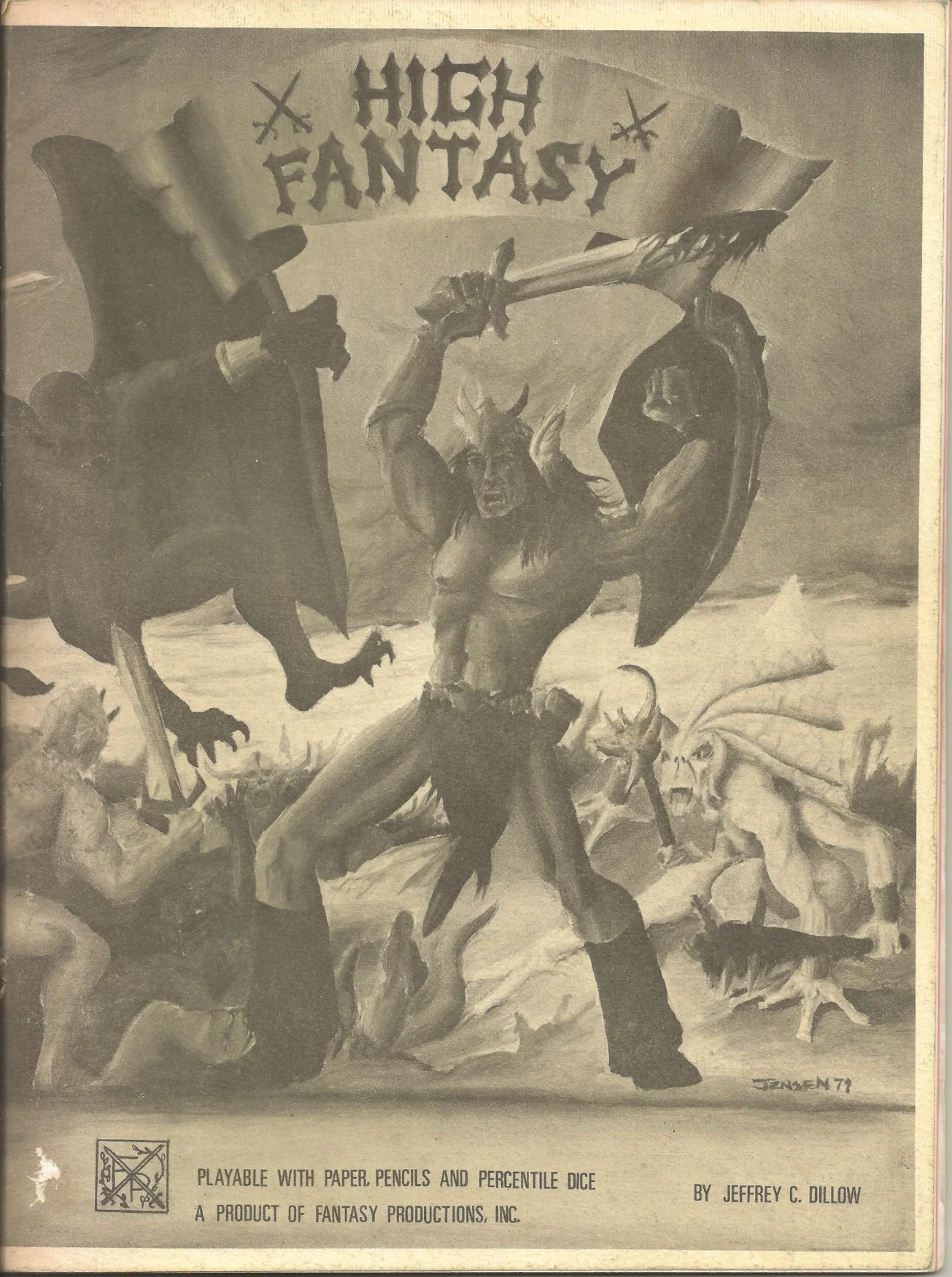
The handmade cover was replaced by a painting by Bruce Jensen, then a student at Perry Meridian High School, used first in monochrome and then in full color.
One Painting. Two Printings.
Bruce Jensen's signed 1979 illustration captures the era's adventurous spirit. The same work appeared in black and white and later in vivid color.
Beyond the Rulebook
High Fantasy was becoming more than a set of rules. Its first published adventures offered complete settings, perilous objectives and stories ready for a gaming table. With vivid cover paintings by Bruce Jensen, Fortress Ellendar and Moorguard helped establish the visual and storytelling identity of the series before Reston Publishing entered the picture.
Fortress Ellendar
1979 · First published adventureAdventurers enter a fortress in the desert, facing the evil force that has taken possession of its eight levels. Published by Fantasy Productions as a 16-page adventure with maps.
View verified museum cover ↗Original cover artwork by Bruce Jensen, signed 1979.
Moorguard
1980 · Second published adventureCaptured by the Bengolies, adventurers must seek the legendary axe Duranael and shield Solloment. The adventure introduced locations including the Chalice Tower and Temple Moorguard.
Original cover artwork by Bruce Jensen, signed 1979.
A 1980 White Dwarf advertisement shows Fortress Ellendar and announces Moorguard as an upcoming release—an unusually direct glimpse of how the line was promoted.
High Fantasy Enters the Bookstores
Reston Publishing, part of Prentice Hall, brought High Fantasy into the national book trade. Reston produced two printings of the books in hardcover and paperback, with 5,000 copies in each printing. The growing line included the core rules, adventures, a boxed set, and an illustrated Judges Screen.
The Industry Takes Notice
Reston announced High Fantasy to the game trade with a full-page advertisement in Games Merchandising, the magazine read by toy and hobby store buyers. The magazine's own writers saw it as a turning point.
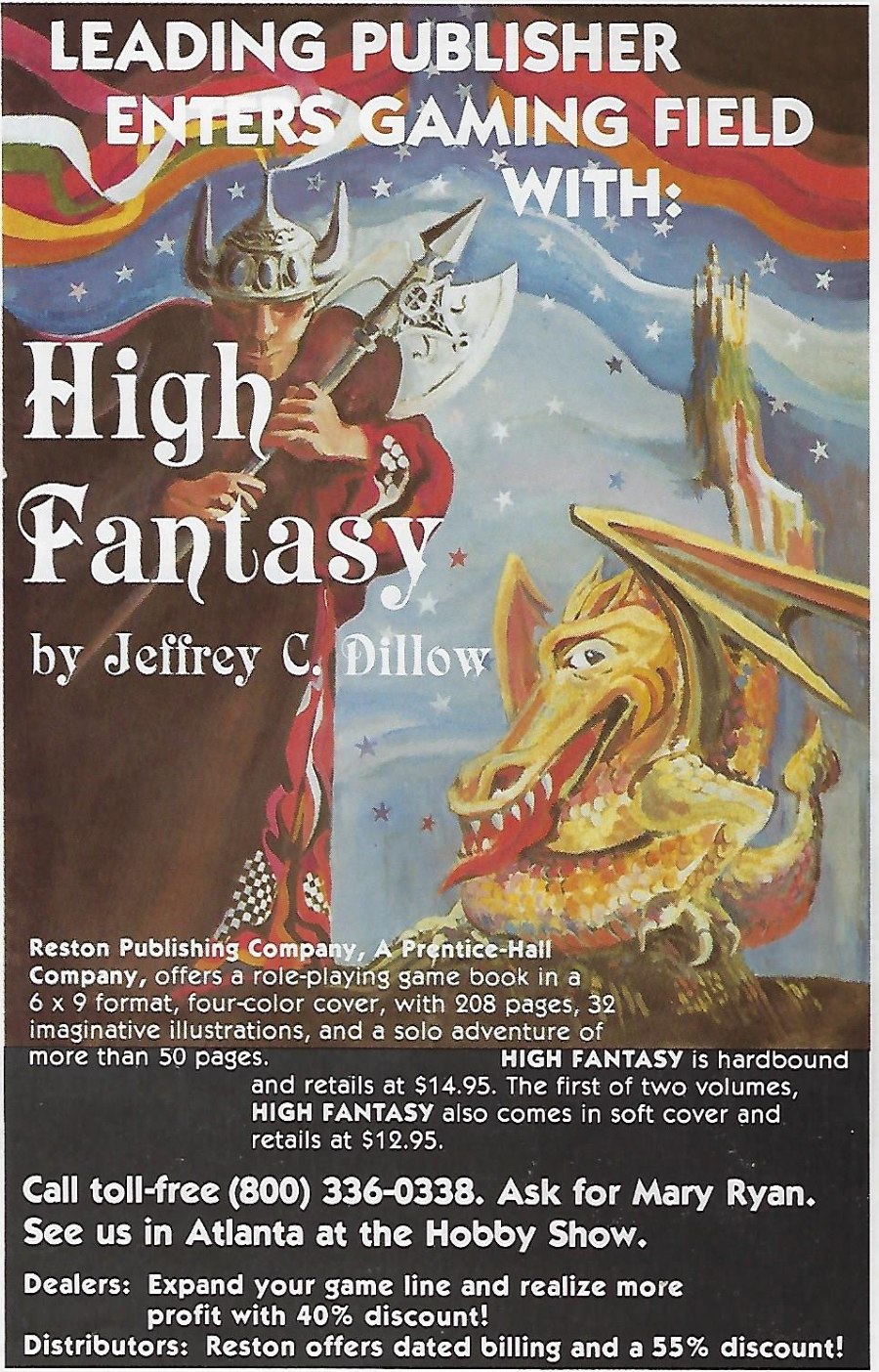
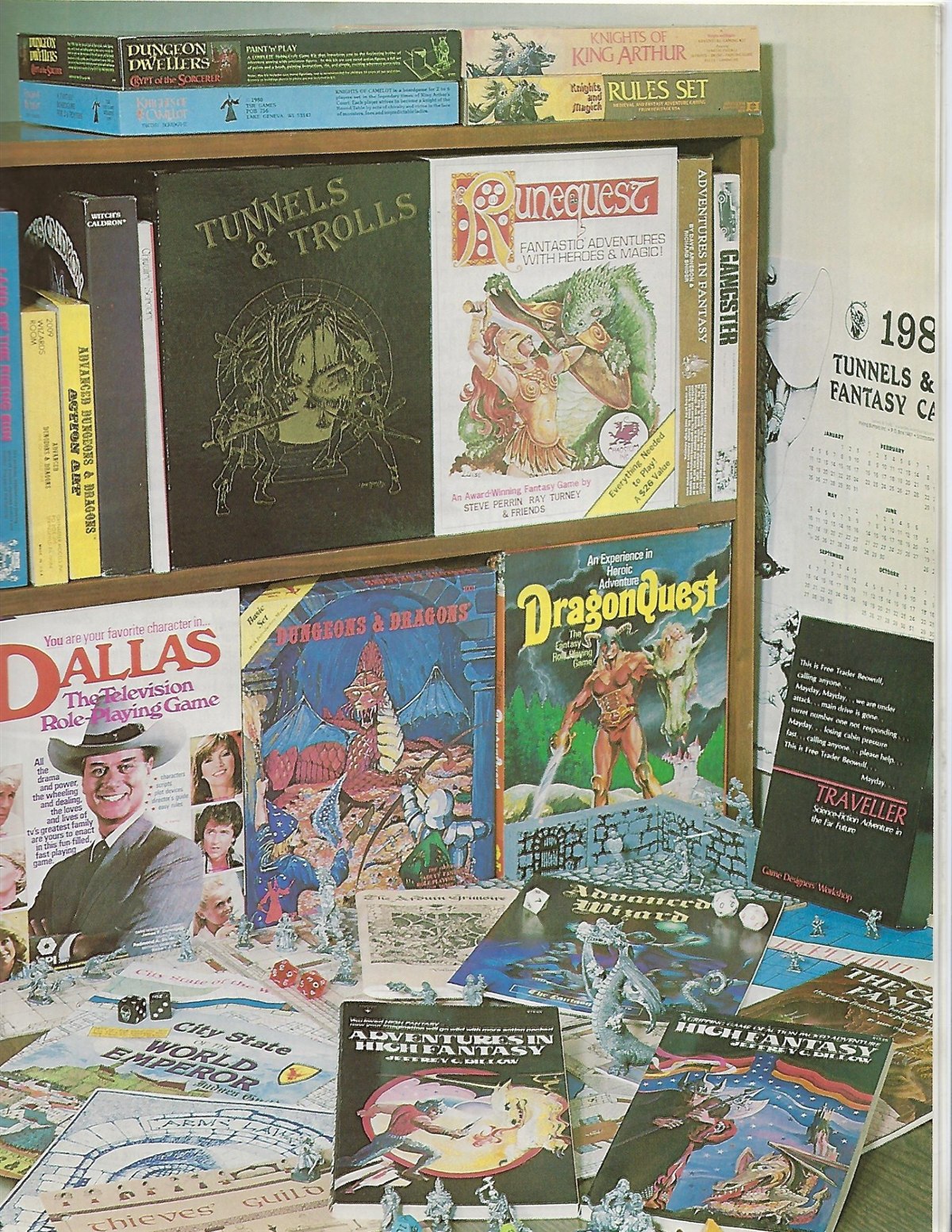
“Something big has recently hit this area of the game market.”
Dana Lombardy and Greg Stafford, founder of Chaosium, on Prentice Hall's entry with High Fantasy · Games Merchandising, January 1981
The Steranko Years
Reston commissioned celebrated comics artist Jim Steranko to illustrate the cover of Wizards & Warriors, published in 1982. The painting bears his 1981 signature.
It was a dramatic change in the visual identity of High Fantasy—and one of the series' most memorable images.
Dillow recalls that Steranko’s second commissioned painting, intended for Goldchester, disappeared from Reston’s offices before publication. It has never been located.
The published paperback carried ISBN 0-8359-2567-6. A second ISBN, 0-8359-2568-4, was assigned to a hardcover edition that was never published because its cover painting had been stolen.
The Adventure Line Expands
By 1982, High Fantasy encompassed far more than the original game rules. Its solo and group adventures demonstrated how branching stories could invite players back to explore different choices and outcomes. The original covers reveal the range of visual styles across the Reston line.
From Role-Playing to Interactive Storytelling
A verbal movie proposal that never became a deal.
At RCA’s David Sarnoff Research Center in Princeton, Jeffrey C. Dillow and colleague Paul Gully explored interactive video storytelling. An unpublished copy of Circle of Truth was sent to Rankin/Bass, whose New York office invited them to meet.
Dillow and Gully took the train from Princeton to New York for their one and only meeting with Rankin/Bass. During that meeting, the studio verbally offered $1 million toward a High Fantasy interactive movie if RCA would contribute a matching $1 million. RCA quickly rejected the proposal; no formal deal resulted.
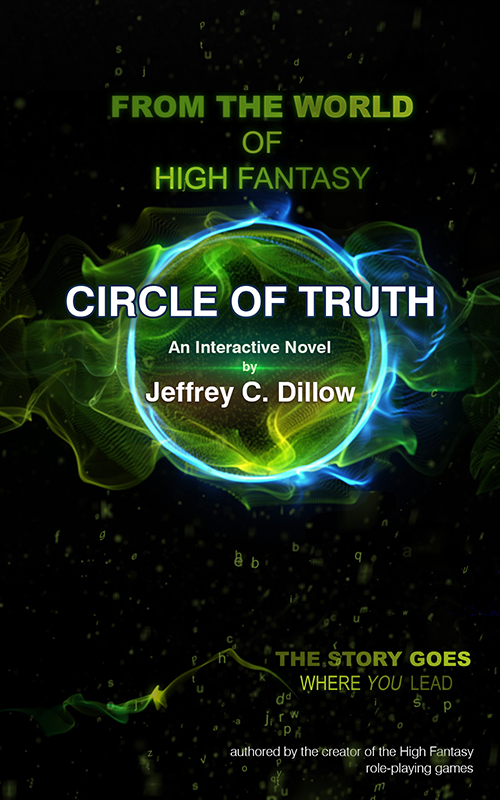
The branching adventure that brought Rankin/Bass to the table is available as an interactive novel, where the story goes where you lead.
Buy on Amazon Play it free onlineWithin months, Gulf + Western had absorbed Prentice Hall and closed Reston Publishing, and General Electric had taken over RCA. High Fantasy went quiet for thirty years. But the ideas behind the interactive adventures endured.
The High Fantasy Judges Screen
An illustrated three-panel screen by Steve Paddack, issued by Reston Publishing in 1981.
Original illustrations © 1981 Steve Paddack · ISBN 0-8359-3590-6
What Players and Reviewers Remembered
High Fantasy found an audience among gamers who valued straightforward play, flexible rules, and imaginative adventures. Later readers continued to rediscover the game and its interactive stories.
“It's by far the best one I've played yet.”
David J. Arlington · The Space Gamer No. 54 (1982), on Murder in Irliss“Tough but fair, and very replayable.”
Robert Plamondon · Dragon No. 68 (1982), on In the Service of Saena SepharNotable for “the high quality of its scenarios.”
Lawrence Schick · Heroic Worlds (1991)The World of High Fantasy Continues
The world first mapped in these books lives on in new novels set in the same lands, and in the Bravura Series for young adults by Jennifer Dillow.
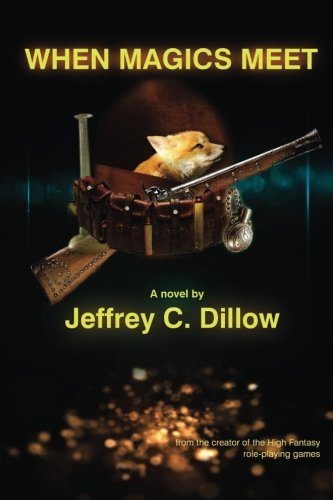
When Magics Meet
Buy on AmazonAbout this book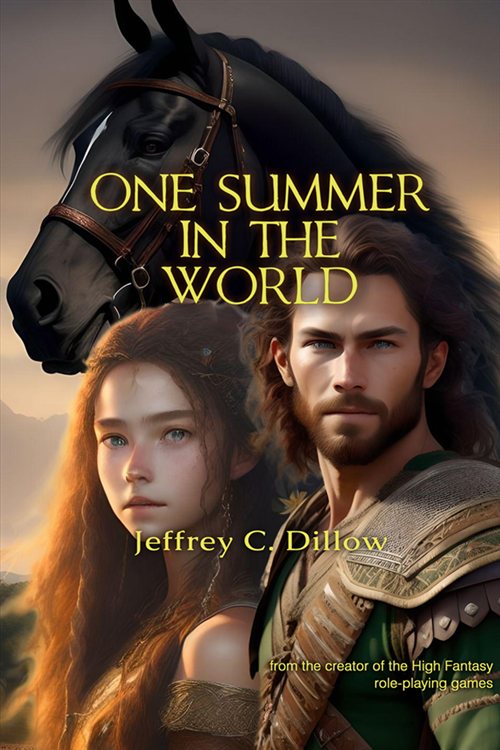
One Summer in the World
Buy on AmazonAbout this book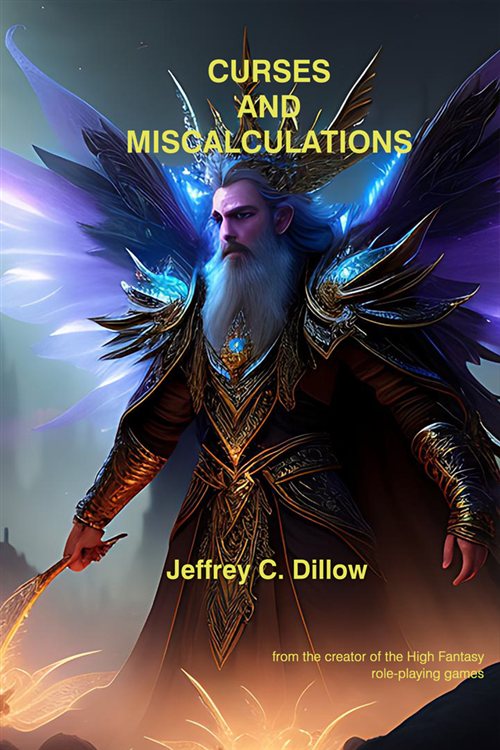
Curses and Miscalculations
Buy on AmazonAbout this book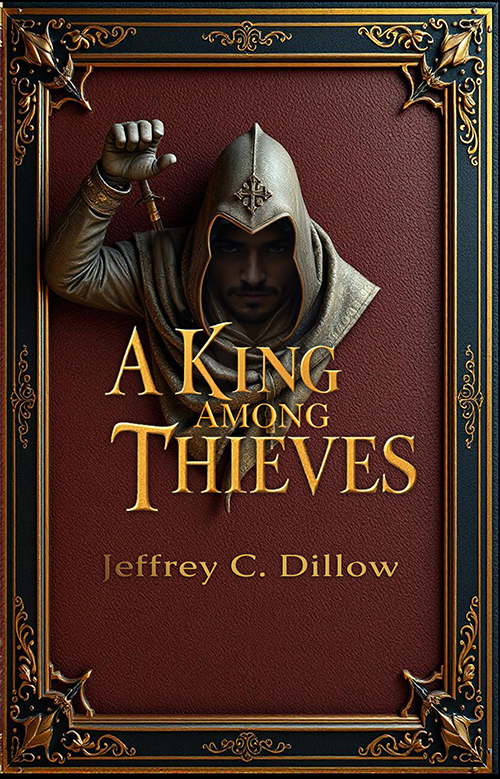
A King Among Thieves
Buy on AmazonAbout this bookCircle of Truth
Interactive NovelJeffrey C. DillowBuy on AmazonAbout this book
The Fifth Chamber
Bravura Series (YA)Jennifer DillowBuy on AmazonAbout this book
The Fire Springs
Bravura Series (YA)Jennifer DillowBuy on AmazonAbout this bookAlso from the world of High Fantasy
Read Jeffrey C. Dillow's personal account: Part One · Part Two.